
Best Island Projects
Buyer Guidance · Ownership Structures

Freehold vs Leasehold Land in Sumba

Freehold and leasehold are the two ownership structures most relevant when buying land in Sumba. Each has different documentation, timelines, rights and risk profiles. This guide explains the practical differences for international buyers, what to check and how Best Island Projects supports the process. It is general buyer guidance, not legal advice.

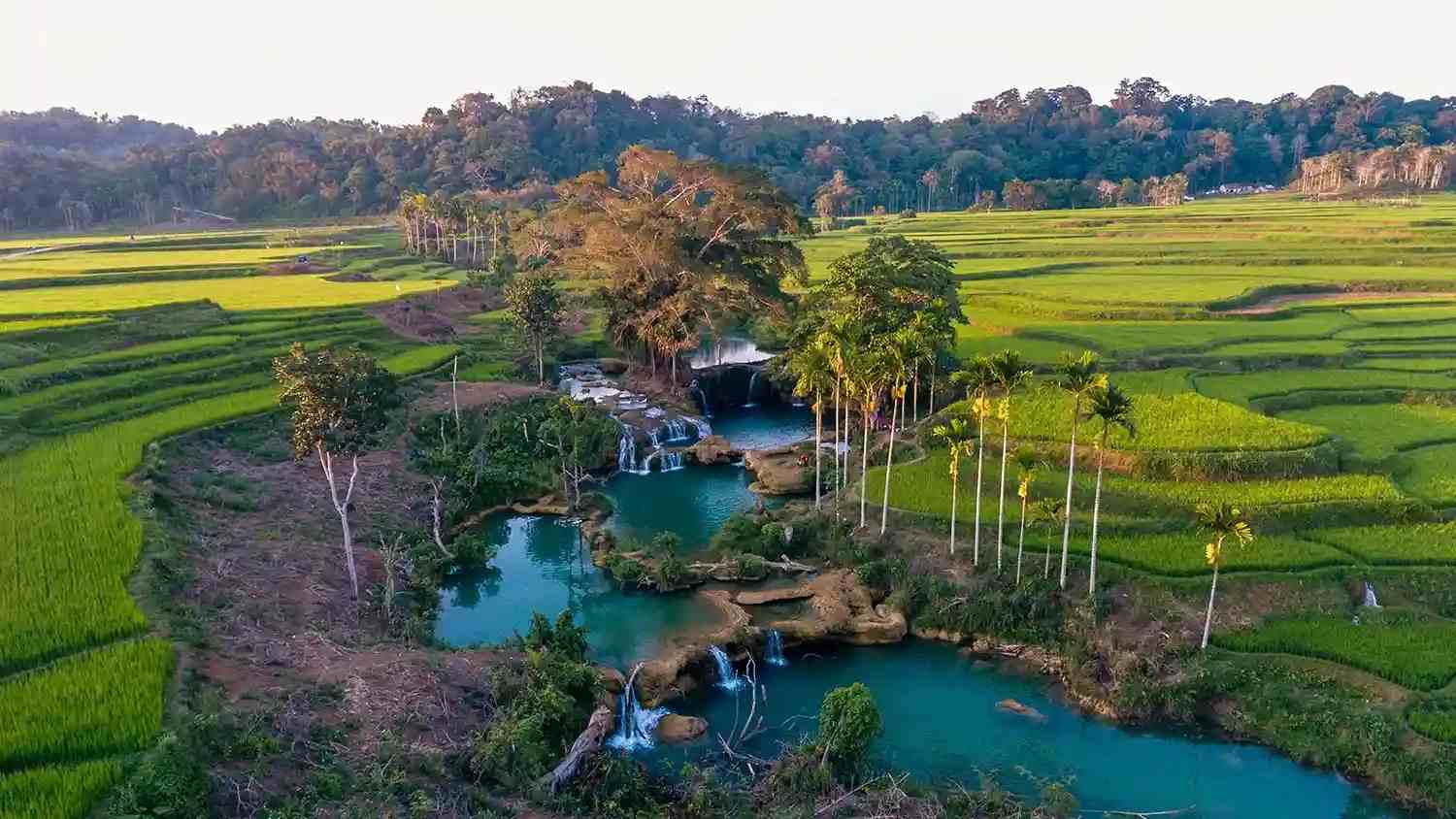
Coastal land and rice fields in Sumba, Indonesia

What is the difference between freehold and leasehold land in Sumba?

Freehold land in Sumba refers to full ownership under Indonesian law (typically Hak Milik or SHM), which is only available to Indonesian nationals. Foreign buyers usually access freehold indirectly through a suitable legal structure. Leasehold is a long-term right to use the land for an agreed period under a lease agreement, which is more directly accessible to foreign buyers.

The correct structure depends on the plot, the seller's status, the buyer's goals and the legal setup. Neither structure is automatically better than the other — they solve different problems.

What Freehold Land Means

Freehold land is the strongest ownership right under Indonesian law. It is generally held by Indonesian nationals in the form of Hak Milik (SHM). Foreign buyers cannot hold Hak Milik directly.

In practice, international buyers who want freehold-equivalent exposure to a specific plot use suitable legal structures with local qualified professionals. Every situation should be reviewed carefully with a notary and legal counsel.

What Leasehold Land Means

Leasehold is a long-term right to use land for an agreed period, formalised in a notarised lease. It is more directly accessible to foreign buyers and can be structured with development rights, renewal options and specific use rights.

Lease length, renewal terms, transferability, encumbrances and permitted uses all need to be understood before signing.

Why the Structure Matters for International Buyers

The ownership structure affects what buyers can build, how long they can use the land, how they can exit, how the asset is taxed and how documentation must be prepared.

Choosing the wrong structure — or moving forward without proper documentation — is the single biggest risk when buying land in Sumba as a foreigner.

What Documents Should Be Checked

For any freehold or leasehold transaction, buyers should review:

  • Land certificate and title type
  • Ownership history and seller authority
  • Boundary and plot size confirmation
  • Land tax status
  • Any liens, disputes or encumbrances
  • Lease agreement terms, if leasehold
  • Suitability of the ownership structure for the buyer's goal
  • Notary process and required documentation

Risks to Review Before Signing

Common risk points on Sumba land transactions include:

  • Unclear ownership or family disputes
  • Boundaries that don't match documentation
  • Missing or restricted legal road access
  • Zoning or coastal setback constraints
  • Unrealistic development assumptions
  • Lease terms that limit development or transfer
  • Structures that don't hold up to due diligence

How Best Island Projects Supports Buyers

We help buyers understand which structure may be relevant for their situation, coordinate documentation checks, work with qualified notaries and legal counsel, and support the transaction from opportunity assessment to completion.

This page provides general buyer guidance and is not legal advice. Buyers should always work with qualified legal professionals and notaries before committing.

Why Best Island Projects

Structure is where safe land investment begins

A well-chosen ownership structure protects buyers, aligns with development goals and stands up to due diligence. Best Island Projects supports international buyers with structured guidance from first orientation to notary completion.

Frequently Asked

Questions from international buyers

For specific questions about a plot, area or process, request a private consultation.

  • Can foreigners hold freehold land in Sumba?
    Foreign buyers cannot hold Hak Milik (freehold) directly. They typically access freehold-equivalent exposure through suitable legal structures with qualified professionals.
  • How long is a typical leasehold in Sumba?
    Lease terms vary. Long-term leases are common, and renewal options can be included. The exact terms should always be reviewed carefully in the lease agreement.
  • Can leasehold land be used for villa development?
    Yes, in many cases, but development rights should be explicit in the lease, and permits, zoning and construction feasibility should be reviewed before commitment.
  • Which structure is safer for foreign buyers?
    Neither structure is automatically safer. The right choice depends on the plot, seller status, buyer goals and legal setup. Every situation should be reviewed with qualified legal counsel.
  • Does Best Island Projects handle the notary process?
    We coordinate with qualified notaries and legal counsel and support buyers through documentation and transaction steps. We are not a law firm and do not replace legal counsel.
  • Is this guide legal advice?
    No. This page provides general buyer guidance and is not legal advice. Buyers should always work with qualified legal professionals and notaries before committing.
Private Guidance

Not sure which structure fits your plan?

Request a private consultation to review your goals, the plot and the most appropriate ownership approach.