
Buyer Guidance · Price Factors & Costs

Cost of Buying Land in Sumba

Land prices in Sumba vary widely because each plot is different — location, access, ownership type, view, topography and legal status all shape the price. Beyond the plot itself, international buyers should also plan for notary fees, taxes, due diligence and the cost of setting up the right ownership structure. This guide outlines the factors that move price and the cost categories to expect, as general buyer guidance rather than a fixed price list.

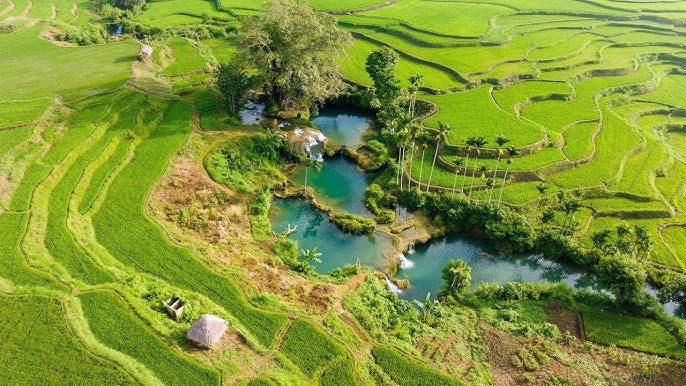
Rice fields and waterfall landscape in Sumba, Indonesia

What determines land prices in Sumba?

There is no single market price for land in Sumba. Each plot is priced on its own combination of location, access, view, size, ownership type and legal readiness. Two plots of similar size in the same region can carry very different prices when one has clean documentation, road access and an ocean view, and the other does not.

Because of that, meaningful pricing conversations always start with a specific plot and a specific buyer objective — lifestyle home, villa development, land banking or resort — rather than a per-hectare benchmark.

Location and Region

Location is the strongest single driver. Coastal plots in established buyer areas such as parts of West Sumba, Wanokaka, Lenang and areas around Tambolaka typically price higher than inland plots in less accessed regions. Proximity to airports, main roads, established villas and services adds to price. Emerging or more remote areas may offer land banking value at lower entry prices, with different timelines and infrastructure realities.

Distance to Beach, Ocean View and Topography

Beachfront plots command the highest prices, followed by direct ocean view and cliffside plots. Elevated inland plots with a sea view sit above pure inland plots. Topography also matters: buildable, well-drained plots with usable contours are worth more than steep, difficult or flood-prone land of the same size.

Access, Utilities and Infrastructure

Legal, physical road access is a major price factor. Plots without a documented access right, or reachable only by informal tracks, price lower and carry higher risk. Availability of water, electricity and mobile connectivity, and the cost of bringing them to the plot, also feed directly into price and total project cost.

Ownership Type and Legal Structure

The land's title type — for example Hak Milik (freehold), Hak Guna Bangunan (HGB) or a leasehold arrangement — shapes both price and what a foreign buyer can do with the plot. Freehold plots with clean SHM certificates typically price differently than plots offered on long-term leasehold. The cost of setting up an appropriate ownership structure for a foreign buyer sits on top of the plot price and should be considered in the total cost.

Plot Size, Shape and Boundaries

Larger plots often have a lower per-square-metre price than smaller ones, but total capital is higher and development horizons longer. Regular, buildable shapes are worth more than fragmented or awkward boundaries. Confirmed boundaries and an up-to-date survey reduce risk and support price.

Legal Readiness and Due Diligence Status

A plot with clean documentation, undisputed ownership, confirmed boundaries, up-to-date land tax and no encumbrances is worth more than a plot with open questions on any of those points. Legal readiness is often the difference between a plot that is genuinely transactable and one that requires significant work before completion.

Cost categories beyond the plot price

In addition to the plot price itself, international buyers should plan for:

  • Notary (PPAT) fees for deed preparation and completion
  • BPHTB (land and building acquisition tax) payable by the buyer, calculated on the transaction value
  • PPh (income tax) obligations on the seller side, which can affect negotiations
  • Legal counsel and due diligence fees (title checks, ownership history, boundaries, encumbrances)
  • Survey and boundary confirmation, where relevant
  • Cost of setting up or engaging the appropriate ownership structure for a foreign buyer
  • Translation, apostille or legalisation of foreign documents, where relevant
  • Ongoing land tax (PBB) after acquisition

What is not included in the plot price

Plot prices do not include design, permits or construction. Villa or resort development costs — architecture, IMB / PBG permits, site preparation, utilities connection, construction and interiors — sit entirely on top of the land cost and vary widely by design, quality level and location.

How Best Island Projects supports buyers on cost

We help buyers understand which price factors matter for a specific plot, coordinate legal and due diligence checks, and provide realistic context on the full cost picture — from acquisition through structuring and, where relevant, development readiness.

This page is general buyer guidance and is not a quotation, valuation or legal or tax advice. Every plot and every buyer situation should be reviewed individually with qualified professionals.

Why Best Island Projects

Understand the full cost picture before you commit

Plot price is only one part of the equation. Ownership structure, legal readiness and buyer-side costs shape the real total. Best Island Projects supports international buyers with a clear view of both the plot and the surrounding costs.

Frequently Asked

Questions from international buyers

For specific questions about a plot, area or process, request a private consultation.

  • How much does land cost in Sumba?
    There is no single price for land in Sumba. Prices vary widely by location, distance to the coast, ocean view, access, ownership type, plot size and legal readiness. Meaningful pricing is always tied to a specific plot and buyer objective rather than a fixed per-hectare figure.
  • What extra costs should foreign buyers plan for beyond the plot price?
    Buyers should plan for notary fees, BPHTB (buyer-side acquisition tax), legal and due diligence costs, survey where relevant, the cost of setting up an appropriate ownership structure, and ongoing land tax after acquisition. Development costs are entirely separate from the plot price.
  • Why are beachfront plots more expensive than inland plots?
    Beachfront and direct ocean view plots are scarcer, more sensitive to zoning and setback rules, and in higher demand from villa and resort buyers. Access, view and buildability combine to place them at the top of the price range.
  • Do freehold and leasehold plots cost the same?
    No. Ownership type materially affects price and what a foreign buyer can do with the plot. Freehold plots with clean SHM certificates and leasehold arrangements are structured differently and priced accordingly. The right structure depends on the plot and the buyer's goals.
  • Is land in Sumba cheaper than in Bali?
    In general, land in Sumba prices below equivalent locations in Bali, particularly for coastal and view plots, but this varies by micro-location and plot quality. Buyers should compare specific plots rather than islands as a whole.
  • What taxes does a buyer pay when acquiring land in Sumba?
    The buyer is typically responsible for BPHTB, calculated on the transaction value, along with notary fees and any structure-related costs. The seller has separate tax obligations. Actual amounts depend on the transaction and should be confirmed with a qualified notary and tax adviser.
  • Does the plot price include due diligence and legal work?
    No. Legal counsel, title checks, boundary confirmation and structure setup are separate cost categories that sit on top of the plot price and should be planned for from the start.
  • Can Best Island Projects give me a fixed price list?
    No. Prices are plot-specific. We share current opportunities with indicative pricing per plot and provide context on the surrounding costs so buyers can plan realistically.
Private Guidance

Want a realistic view of the cost for a specific plot?

Request a private consultation to review a plot, discuss ownership options and understand the buyer-side costs to plan for.