Insights · Sumba Real Estate

Common Risks When Buying Land in Sumba

The most common risks when buying land in Sumba fall into three groups: documentation risks (unclear ownership, missing certificates, boundary mismatches), physical and access risks (no legal road access, weak buildability, missing utilities) and legal or structural risks (inappropriate ownership structure, informal lease terms, skipped notary process). Structured due diligence with qualified legal counsel is the most effective way to avoid them.

Reviewed by the Best Island Projects Sumba team · Last updated

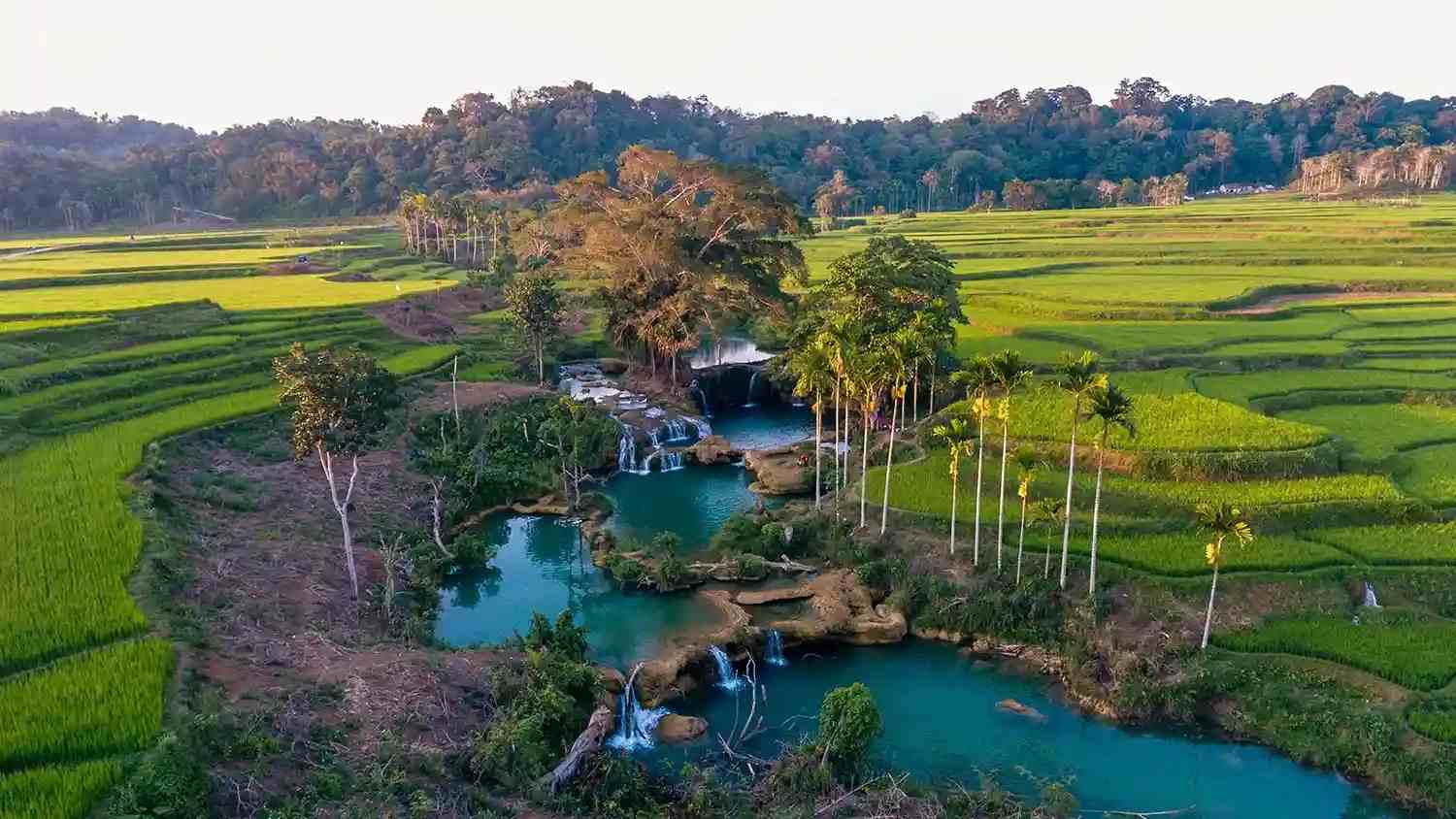
Common Risks When Buying Land in Sumba — Best Island Projects insight article on Sumba real estate

Documentation risks

Most Sumba land has never been sold to an outside buyer before. That means the paperwork was never stress-tested, and problems only surface when someone finally looks properly.

  • Adat (customary) claims running alongside the formal title. A certificate in one family member's name does not mean the wider clan considers the land sold. The check: a written, witnessed release from every relevant party, verified at village level, before any payment.
  • Girik or unregistered land presented as if it were certified. Girik is a tax-payment record, not a title. Converting it to Hak Milik at the land office (BPN) is possible but adds 3 – 6 months and can fail. The check: ask for the certificate number and verify it directly at BPN.
  • Several heirs on the seller side, not all of whom have signed. Any missing signature can unwind the deed later. The check: a full family tree and identity documents for every heir.
  • Boundaries that do not match the certificate. Differences of several hundred square metres are common. The check: a fresh survey with the neighbours physically present and signing the boundary minutes.
  • Outstanding land tax (PBB) arrears, which the buyer inherits in practice. The check: PBB receipts for the last five years.

Physical and access risks

The second category is what the land actually is, as opposed to how it was described. In Sumba this is where most of the money is lost, because a plot with no legal access cannot be developed at any price.

  • No legal road access. A track crossing a neighbour's land is not a right of way. The check: access shown on the certificate map, or a registered easement — verbal permission from a neighbour is worthless once the neighbour sells.
  • Overstated buildability. Steep coastal land often has a buildable envelope far smaller than the plot area, and coastal setbacks reduce it further. The check: a topographic assessment before purchase, not after.
  • Water. Most coastal plots need a borehole and storage; yields vary sharply within a single bay. The check: ask what neighbouring boreholes produce, and at what depth.
  • Power. Where the PLN connection is more than a few hundred metres away, the connection cost falls on you, and solar with grid backup is often the more realistic route.
  • Environmental and zoning constraints — protected coastline, mangrove, or land designated agricultural rather than for tourism. The check: zoning confirmation with the local planning office.

The realistic risk picture

None of this makes Sumba a dangerous market. It makes it an early-stage one, where the quality of your verification matters more than the price you negotiate. A clean plot with a certificate, confirmed boundaries, registered access and a signed adat release is a straightforward 4 – 8 week transaction.

A plot with Girik land, three unsigned heirs and a neighbour's track for access can take four months, or it can fail. Both exist side by side in the same bay, often at similar asking prices. The whole discipline is telling them apart before you commit capital — and being willing to walk away, which we do regularly.

Why Best Island Projects

Sumba real estate needs local expertise

Best Island Projects supports international buyers with structured guidance, verified opportunities, due diligence coordination, ownership structure input and clear transaction support in Sumba.

Frequently Asked

Questions from international buyers

For specific questions about a plot, area or process, request a private consultation.

  • What is the biggest risk?
    Paying money before structured due diligence is complete. Every other risk on this page is manageable if it is found before the deposit moves, and expensive if it is found afterwards.
  • What is an adat claim and why does it matter?
    Adat is customary land law, which still carries real weight in Sumba alongside the formal certificate. A plot can be legally certified and still contested by the clan. A written, witnessed release from all relevant parties is the only reliable answer.
  • Is Girik land safe to buy?
    Girik is a tax record, not a title. It can be converted to a proper certificate, but budget 3 – 6 extra months and accept that conversion sometimes fails. We generally advise foreign buyers to stay with certified land.
  • Can I use an Indonesian nominee to hold freehold land?
    No. Nominee structures are unenforceable under Indonesian law and offer you no protection. Long-term registered leasehold or a PT PMA with HGB are the legitimate routes.
  • How much should I budget for due diligence?
    Between $1,500 and $3,500 per plot for a title search, boundary survey and legal review — a small fraction of a $150,000-plus purchase and the cheapest risk reduction available.
  • How does Best Island Projects reduce risk?
    We coordinate documentation checks with qualified notaries and legal counsel, verify boundaries on site with neighbours present, and give buyers a structured framework before committing. When a plot does not stand up, we say so.
Private Guidance

Have questions about Sumba land?

Request a private consultation to discuss your goals, timeline and the plots that may be relevant.